
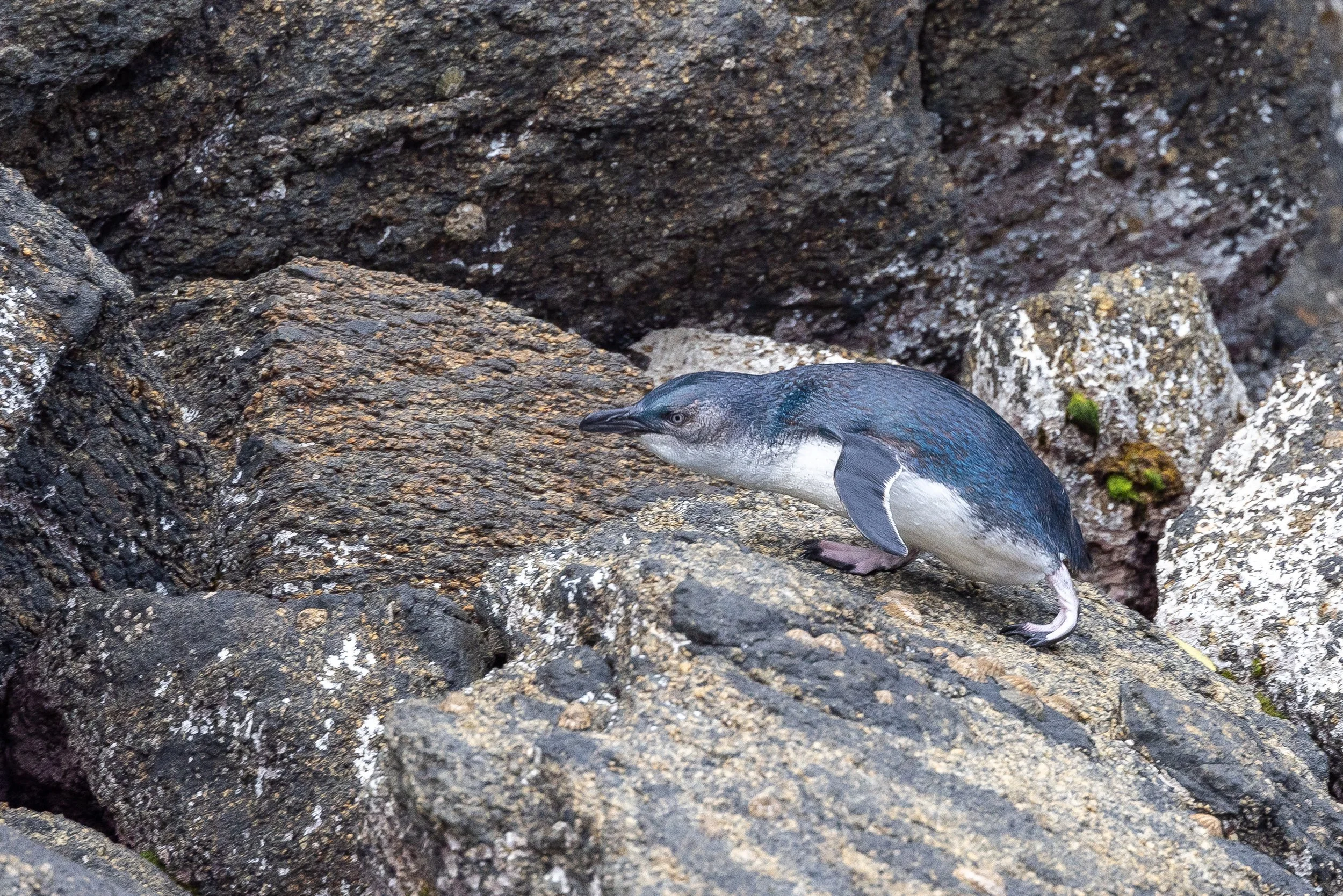
Kororā Monitoring and Research at Pōhatu/Flea Bay
Supported by


This long-term conservation project focuses on protecting Canterbury’s endemic white-flippered penguin. Led by the Helps Pōhatu Conservation Trust, the programme combines scientific research, habitat restoration, predator control, and community education at one of mainland New Zealand’s largest kororā colonies.
Thanks to funding from Moana Mark partner EcoZip Adventures, this project has ongoing support to continue tracking, nest monitoring, and long-term population studies.
Long-Term Penguin Conservation in Aotearoa New Zealand, funded by EcoZip Adventures
-
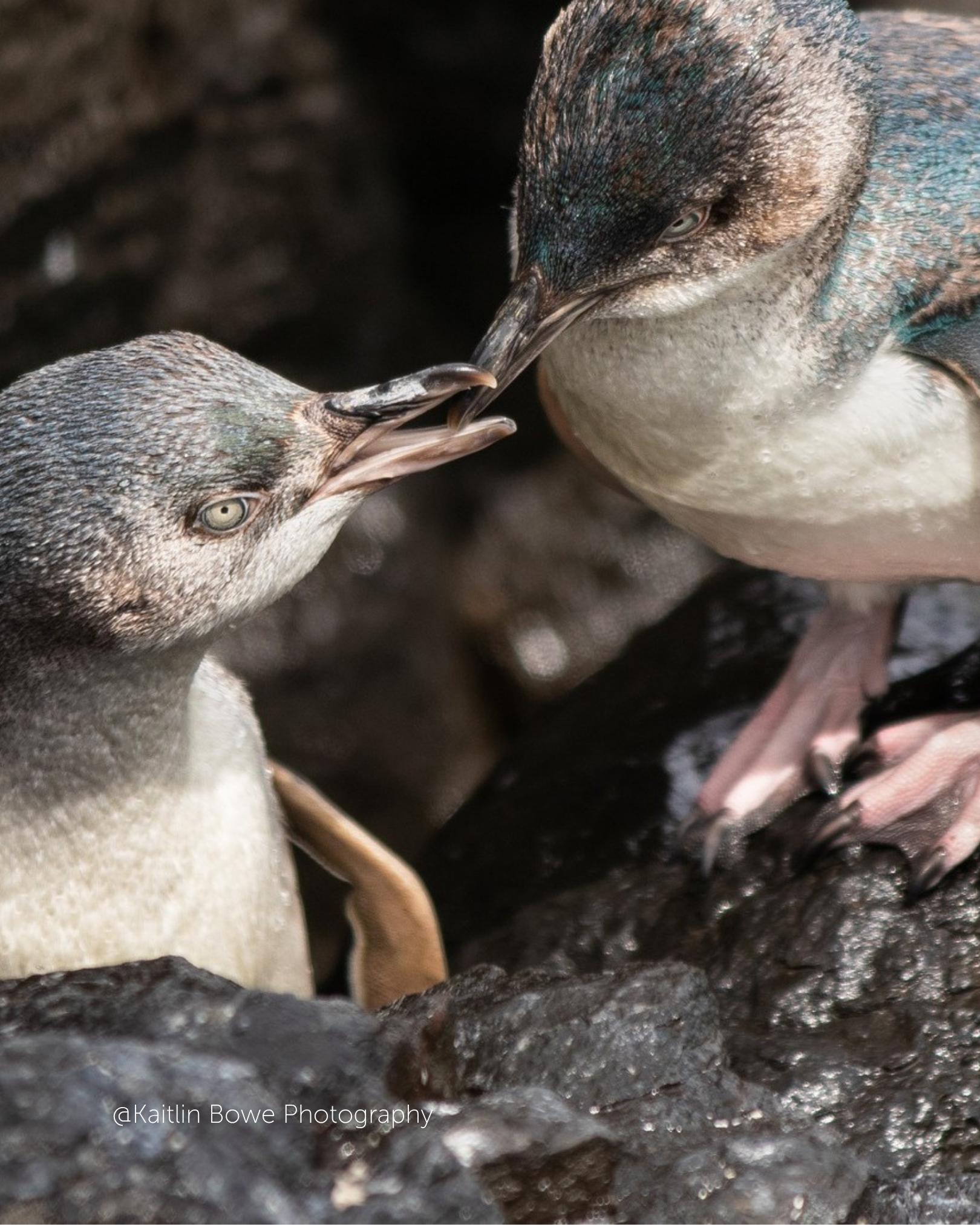
Scientists still know relatively little about kororā population trends and behaviour at sea. Long-term monitoring helps researchers understand:
Where penguins forage
How breeding success changes over time
The effects of climate change and predators
Which habitats need protection
-
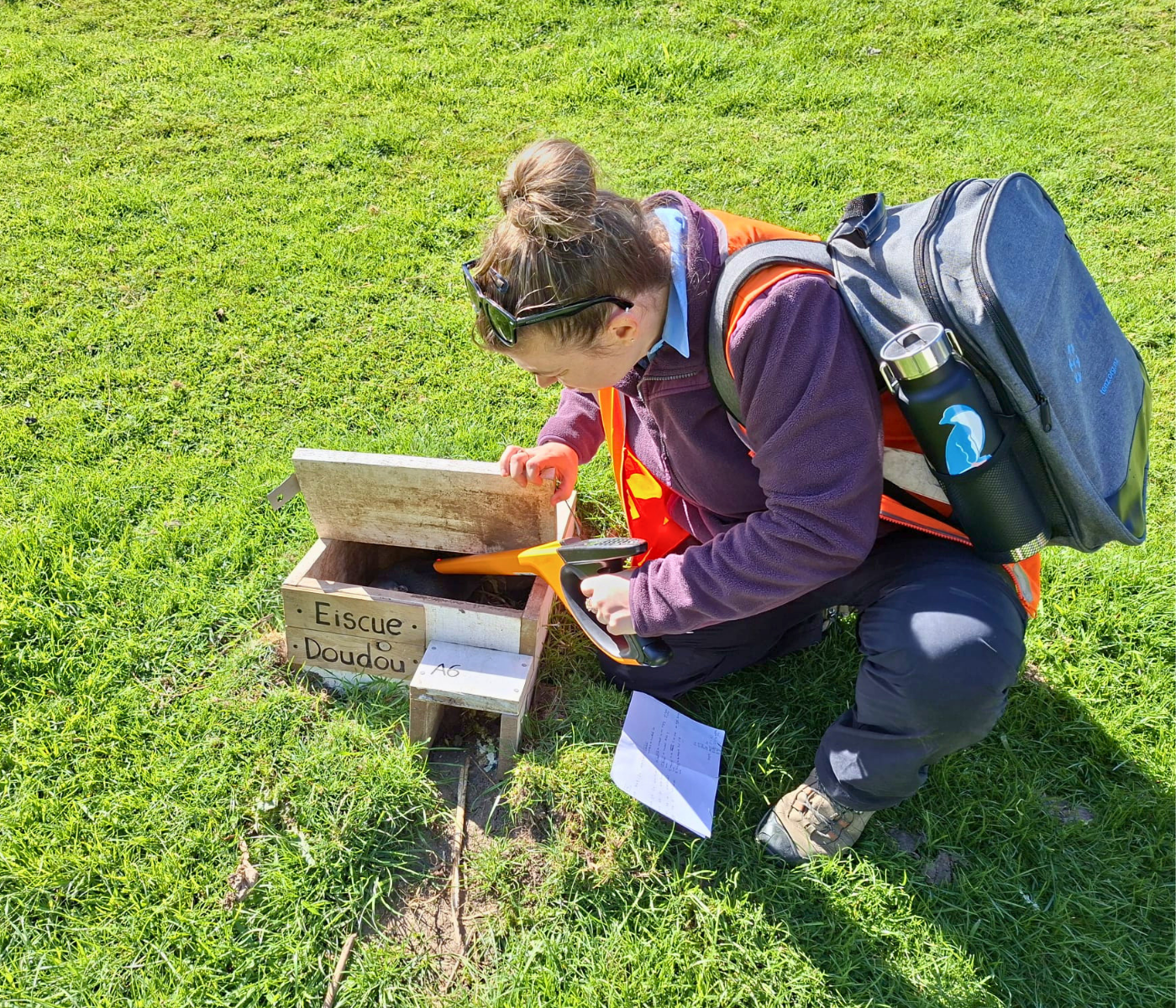
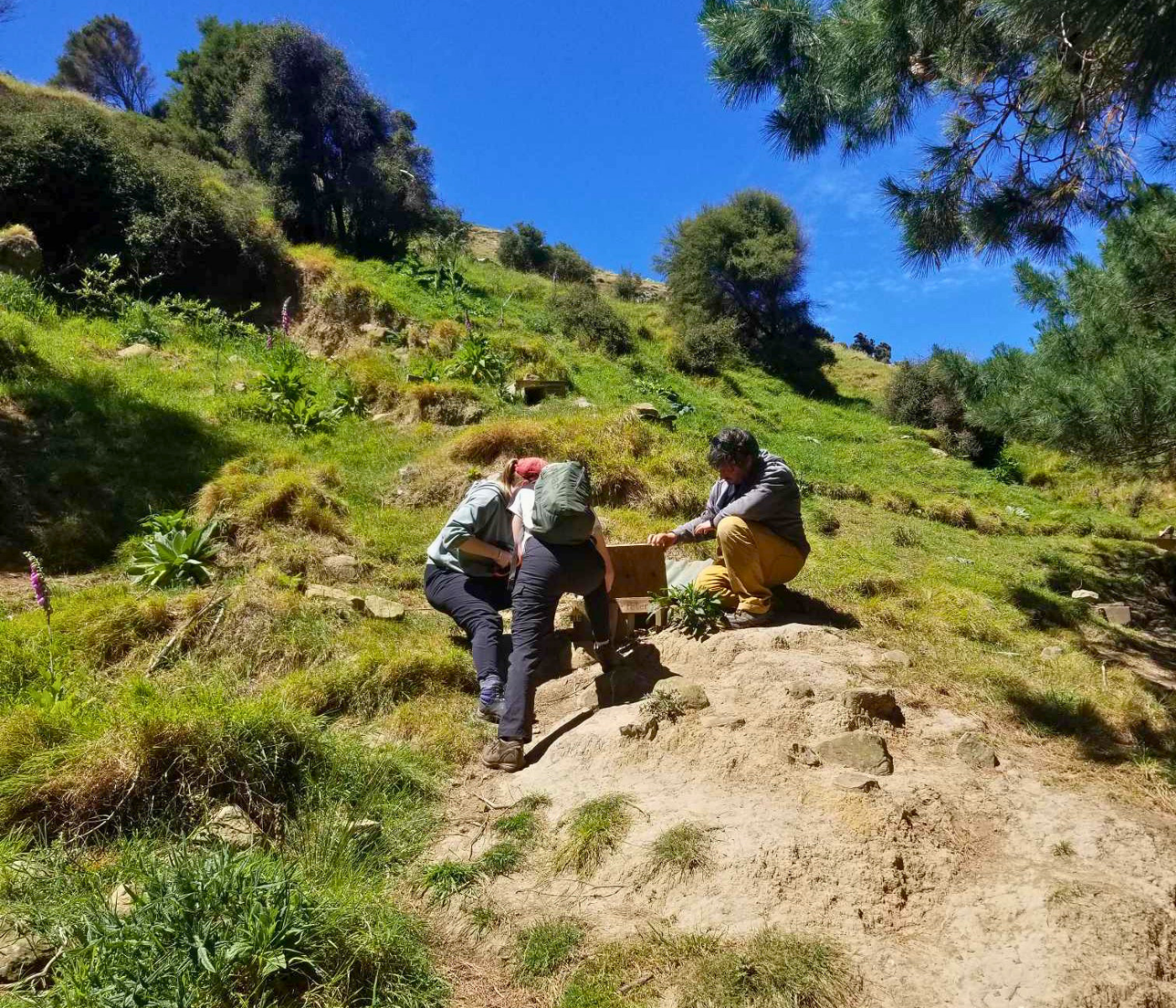
At Pōhatu/Flea Bay, researchers monitor over 230 nest boxes and use GPS tracking to study penguin behaviour on land and at sea.
Research activities include:
Tracking foraging routes
Monitoring breeding success
Tagging adults and fledglings
Predator control and habitat restoration
Penguin health and survival studies
-
The project helps scientists understand how kororā interact with their marine environment and how changing ocean conditions may affect survival.
Research findings support studies into:
Marine habitat use
Diet and behaviour
Population trends
Climate and environmental impacts
The programme also supports university research partnerships across New Zealand.
-
Long-term monitoring helps conservationists make informed decisions about predator management, habitat restoration, and marine protection.
The programme also raises awareness through education, outreach, and community involvement — demonstrating the value of long-term kaitiakitanga and conservation action.
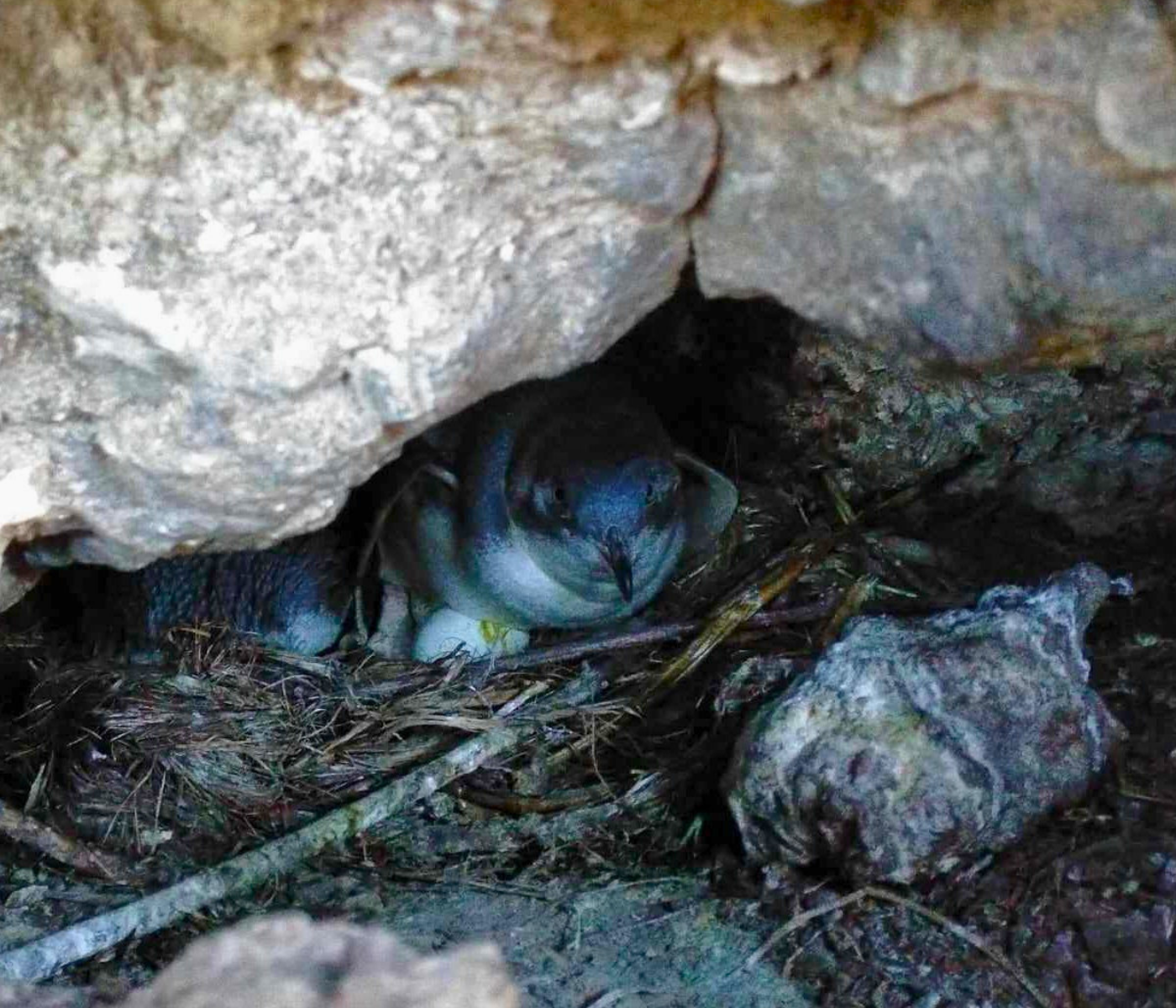
Your donation supports researchers and students working to protect one of Aotearoa's most beloved seabirds.
Project Timeline
The programme is currently in its fourth field season and continues year-round with:
GPS tracking
Nest monitoring
Habitat restoration
Predator trapping
Community outreach
The project is designed to continue long-term, with permit renewal planned for 2031.
Dr. Rachel Hickcox, Lead Researcher
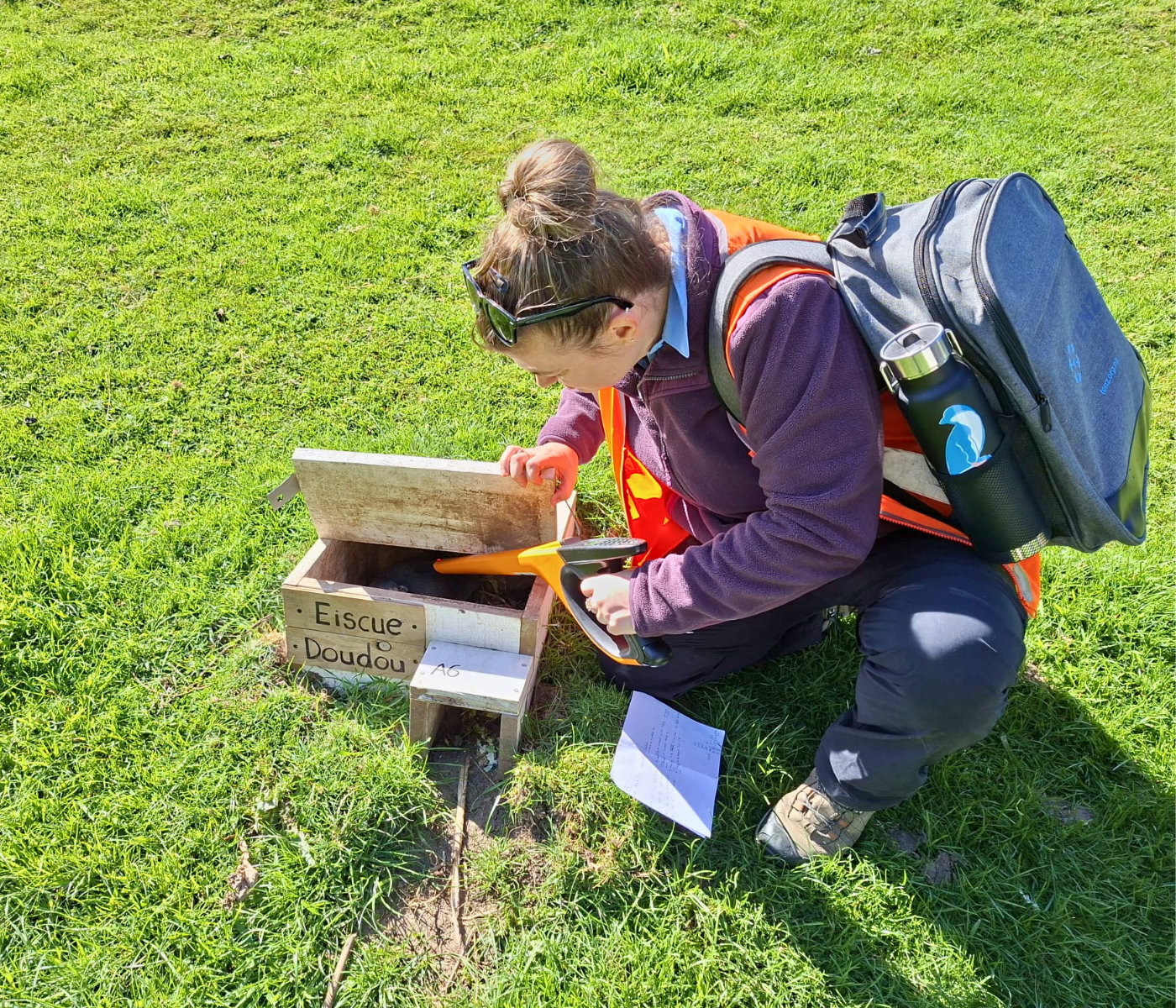
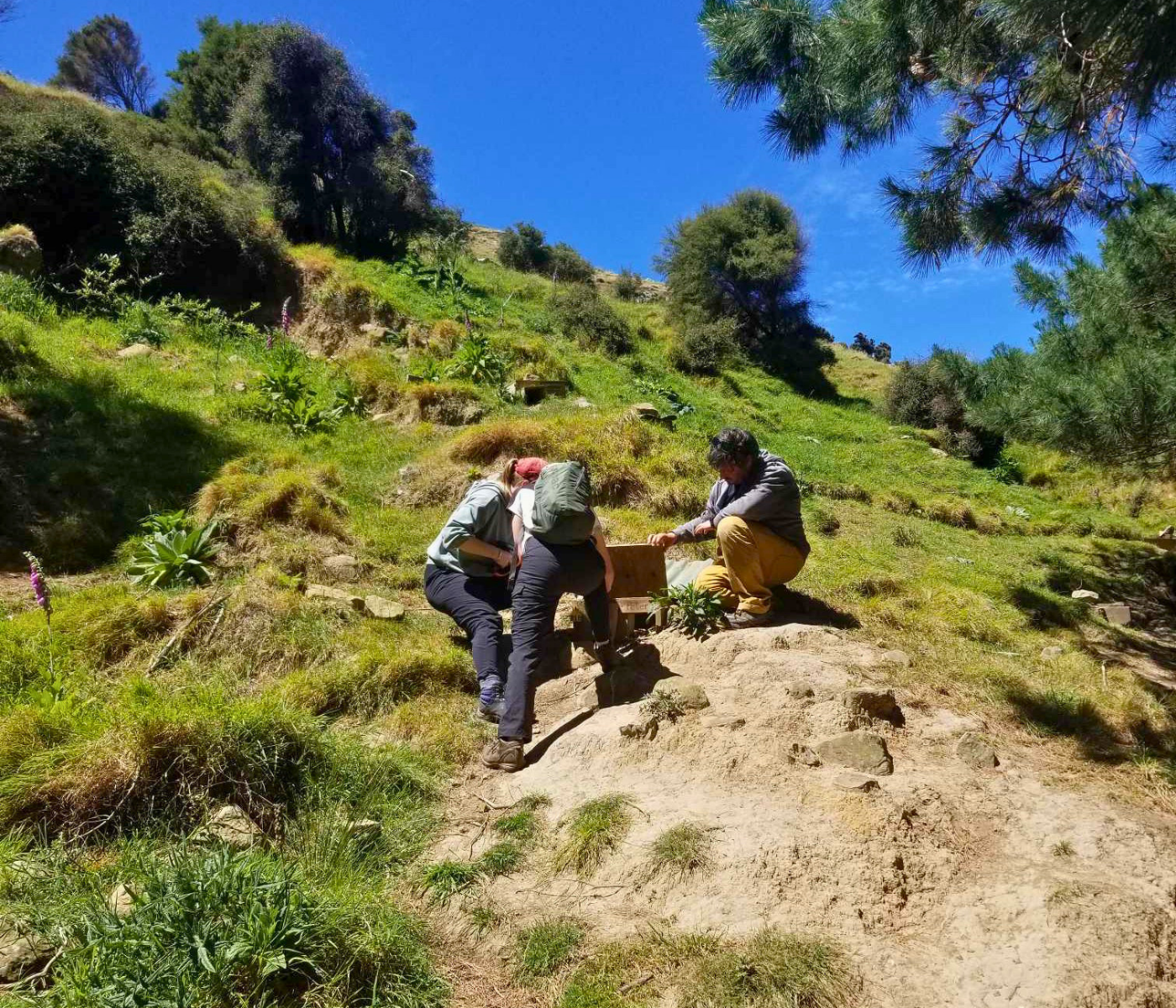
Dr. Rachel Hickcox is a conservation biologist specialising in penguin movement ecology and marine habitat use. She leads the Pōhatu kororā research programme, overseeing monitoring, marine tracking studies, and conservation management.
Rachel is also a postdoctoral fellow at the University of Canterbury researching Antarctic marine predators.
Supported by EcoZip Adventures
-
![Two people on a zipline with epic Kaikoura views in the background]()
Funding Long-Term Kororā Conservation
EcoZip Managing Director Gavin Oliver says the partnership reflects the company’s commitment to regenerative tourism and practical environmental action.
“This project stood out immediately. It’s long-term, science-led, and deeply rooted in place. It reflects exactly the kind of impact we believe tourism should be supporting.”


Can You Support Kororā Conservation?
Simply click one of the Learn More buttons below. In the donation link there’s the option to select Kororā Protection Project in a drop-down menu.
Donate as an Individual
